What We Do

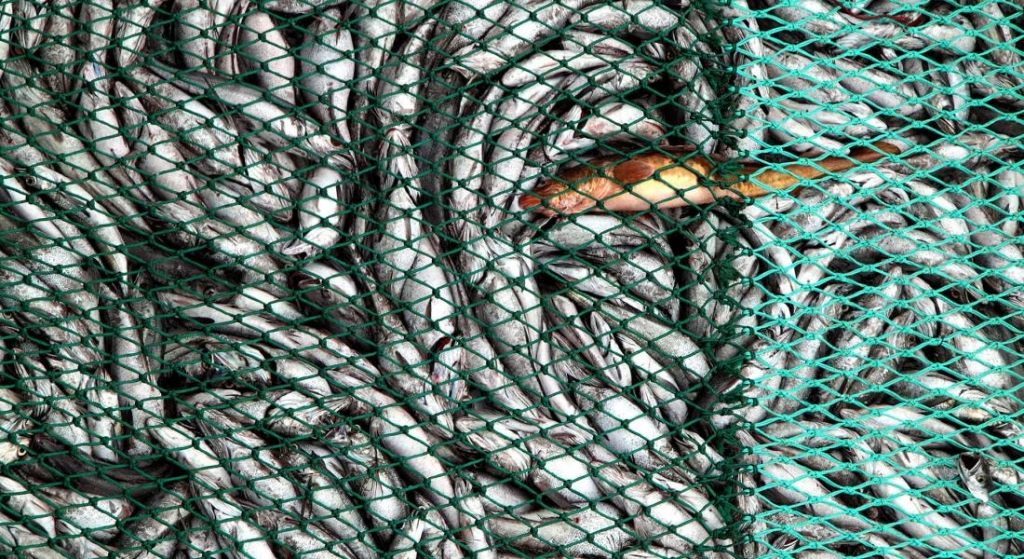
Food scarcity

Oiled Wildlife Preparedness & Emergency Response
  • Acquire the necessary equipment to adequately respond to emergency or disaster, and to routine seabird management and rescue needs on staffed seabird islands and in Lüderitz, Swakopmund and Oranjemund.
  • Overfishing of rock lobster: Bank Cormorant, also listed by the IUCN as Endangered
  • Changes in ocean temperature and currents affecting the distribution of fish populations
  • Competition with commercial and subsistence fishing operations
  • Coastal development and pollution reducing the availability of breeding and feeding habitats
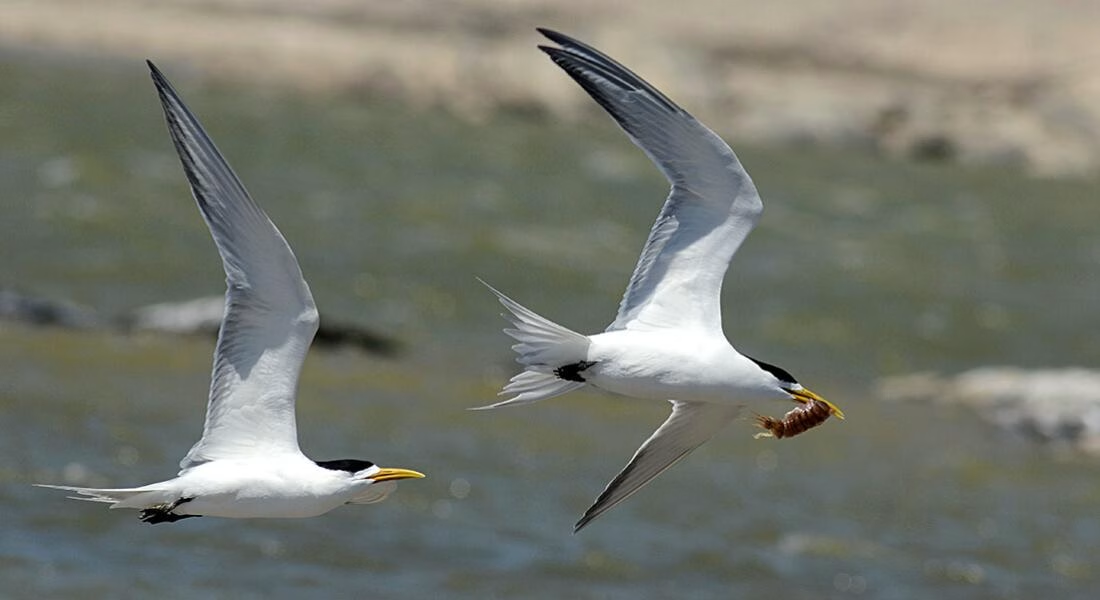
Swift Terns_J Kemper_1100x600
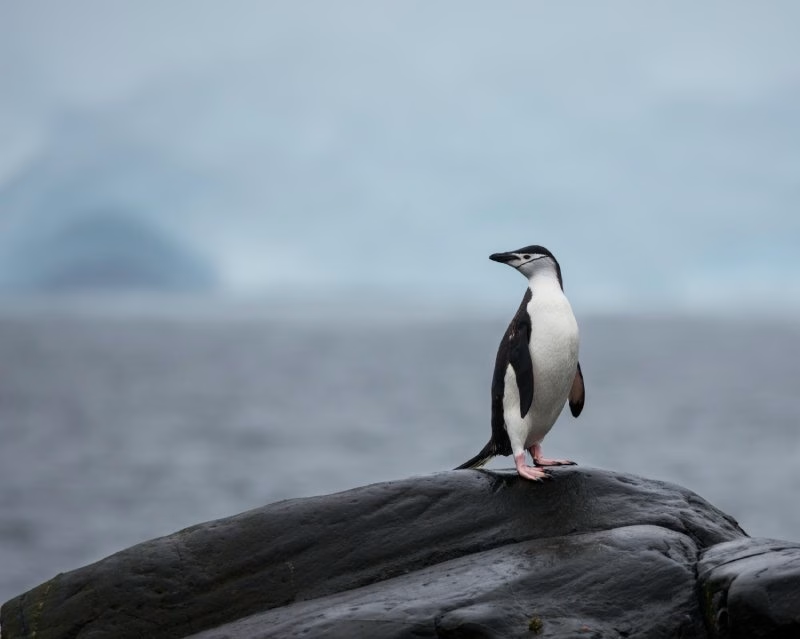
penguin-standing-rock

Effects of food scarcity for Namibia's seabirds:
  • Decline in seabird populations
  • Altered trophic dynamics in the ecosystem
  • Decreased reproductive success and survival rates in seabirds
  • Shifts in distribution and migration patterns of seabirds
  • Negative impacts on the ecosystem services provided by seabirds, such as nutrient cycling and pest control.

Food scarcity affects

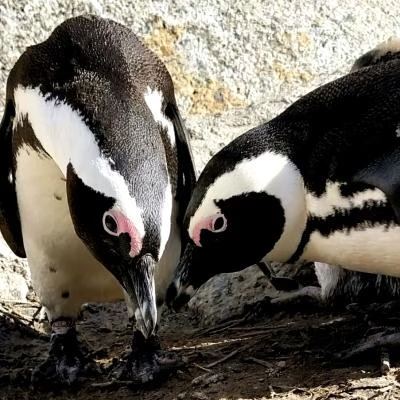
African Penguin

African Penguin

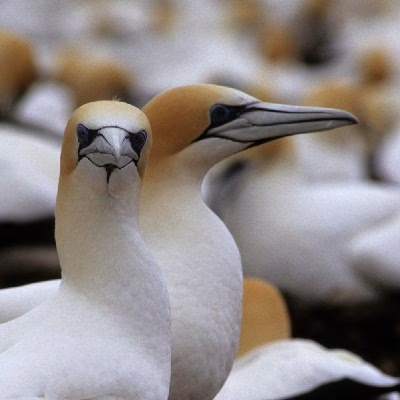
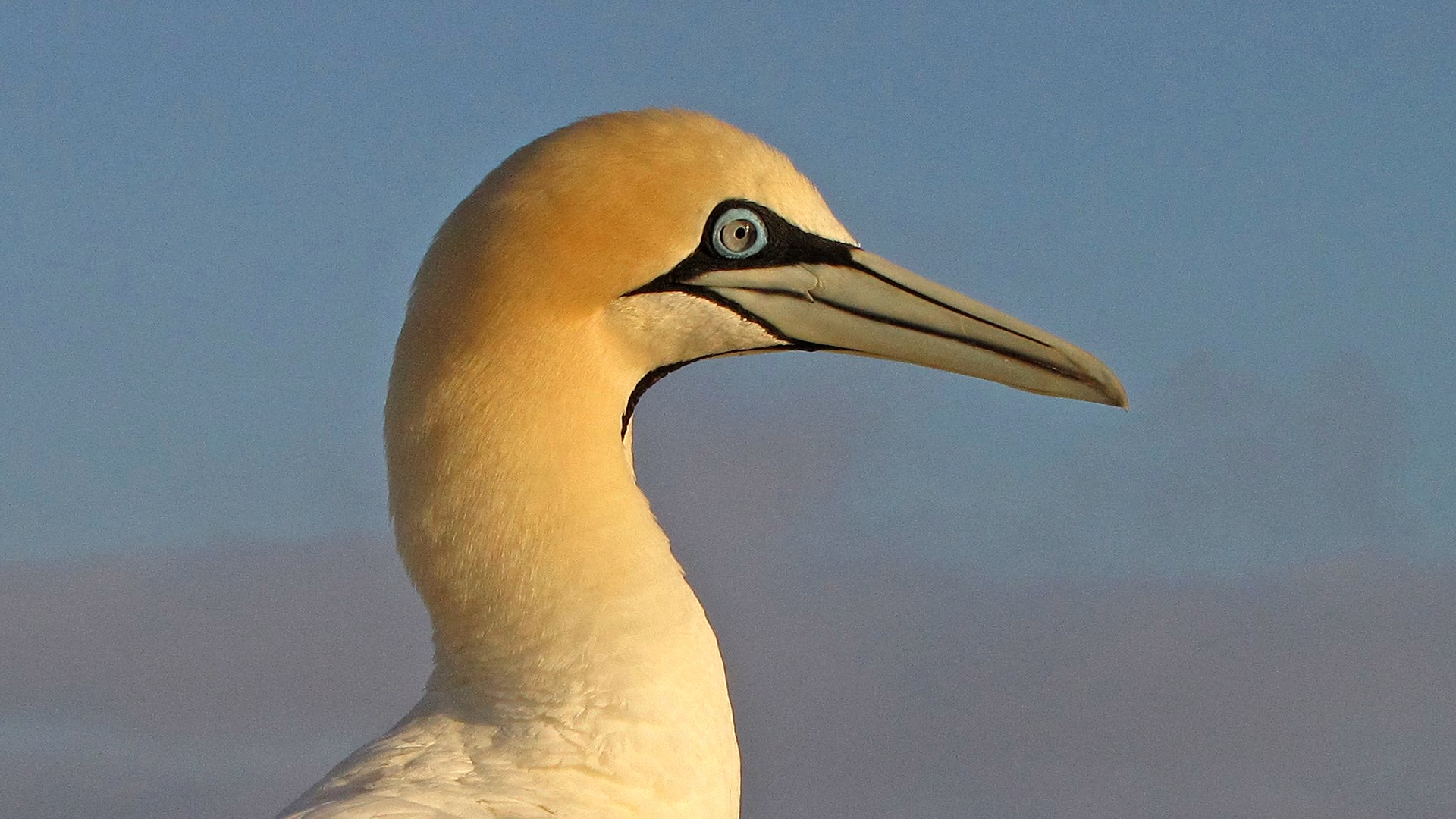
Cape Gannet

Cape Gannet

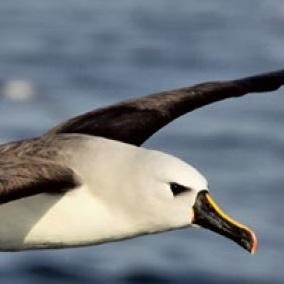
ayna

Atlantic Yellow-nosed Albatross

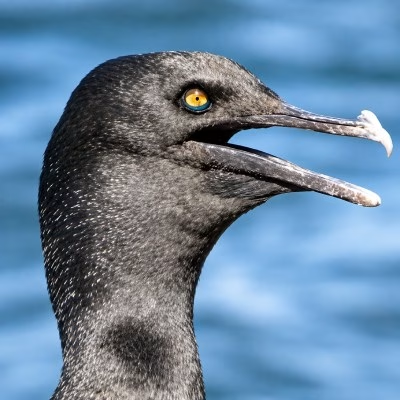
bank-cormorant

Bank Cormorant

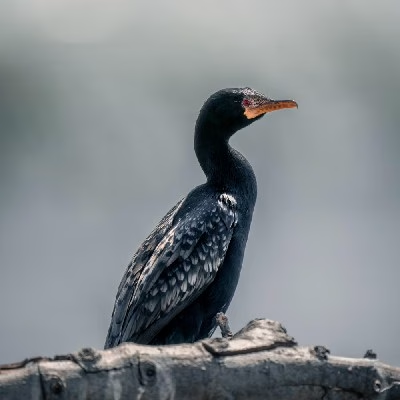
Cape Cormorant

Cape Cormorant

Critically Endangered (CR)

Endangered (EN)

Vulnerable (VU)

Near Threatened (NT)

Related News

Related Project

Improving Food Availability

The primary reason for seabird population decline is due to a lack of available food, which primarily consists of sardines and anchovies.

Related Regions

  • Kunene Region

    The Kunene Region in north-western Namibia borders the Atlantic Ocean along the northern Skeleton Coast, where the nutrient-rich Kunene River…

  • ||Kharas Region

    The ||Karas Region of southern Namibia plays a monumental role in global seabird conservationAnchored by the coastal town of Lüderitz,…

  • Hardap Region

    The Hardap Region of Namibia is connected to seabirds primarily through its short Atlantic coastline and its location along the…